



Rahid Alekberli: Strengthening Digital Content Governance Is Essential to Counter Deepfake Threats
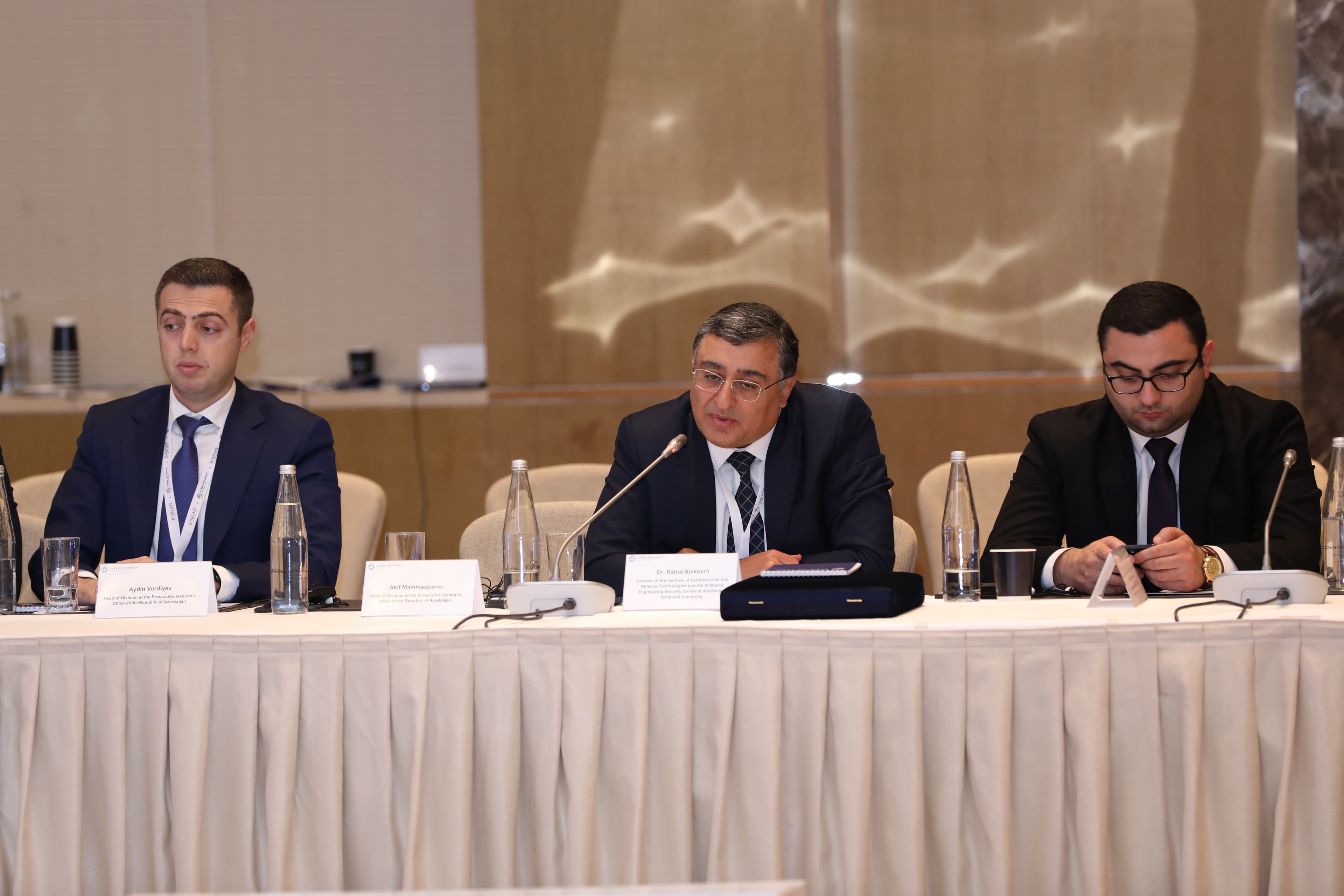
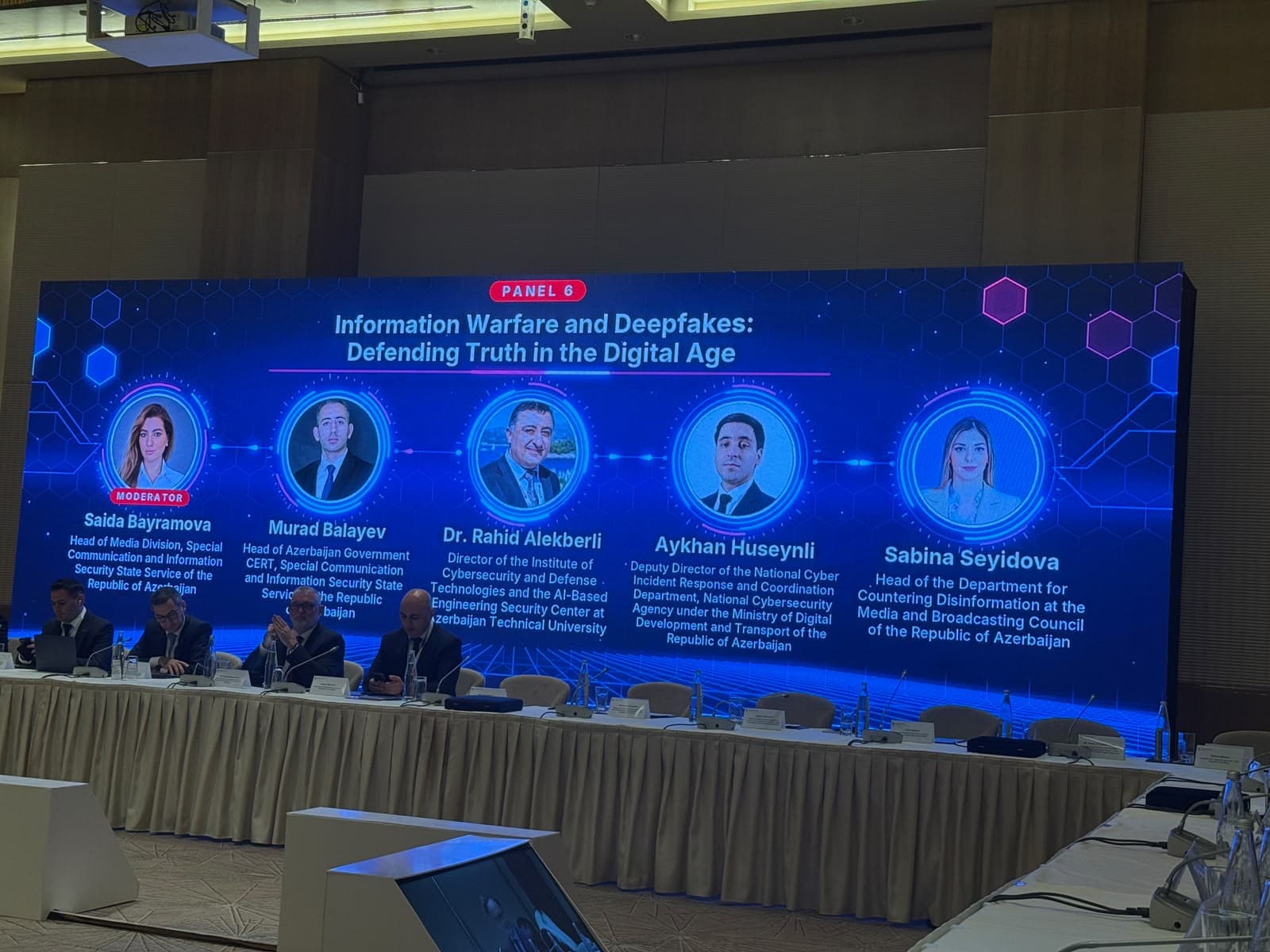
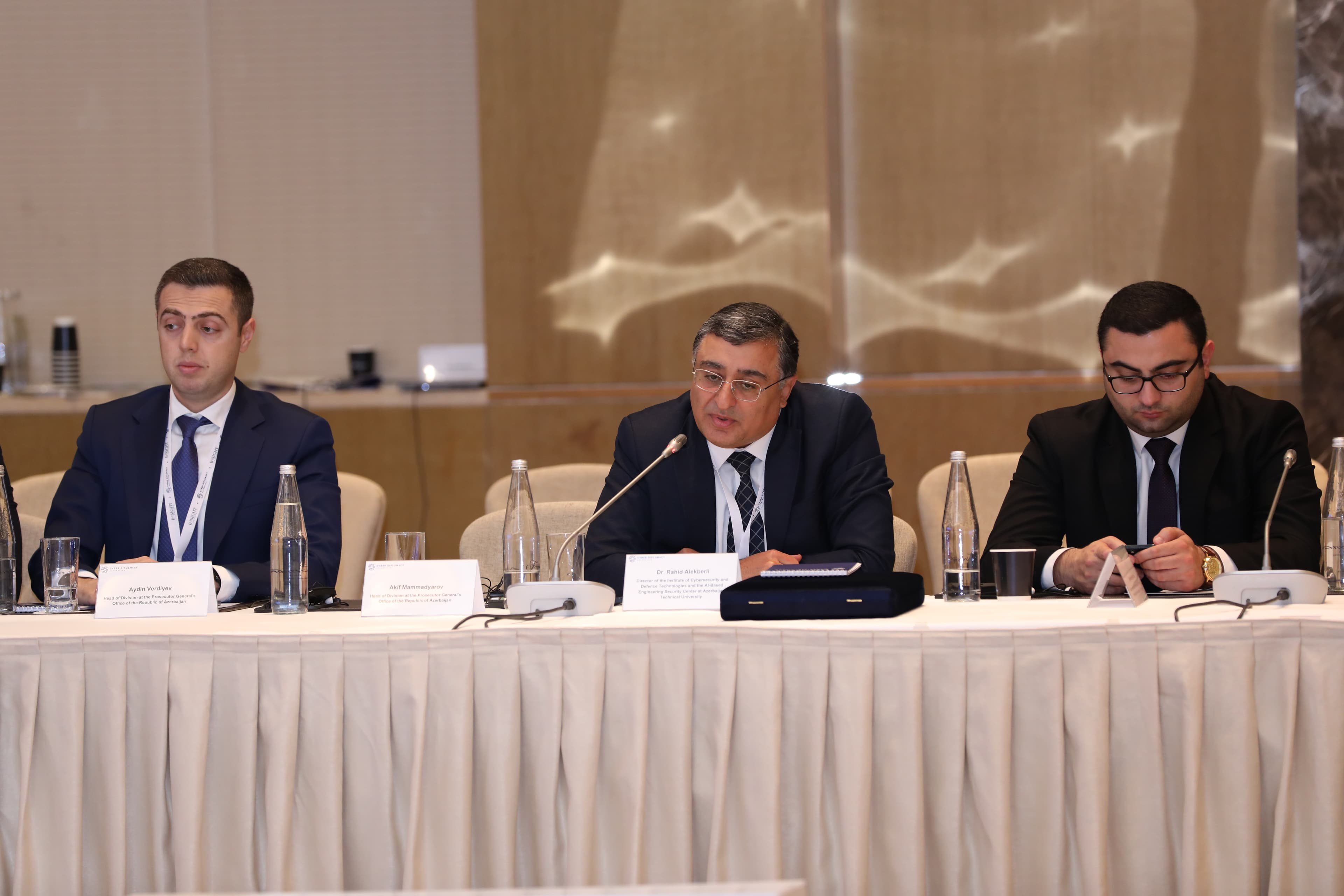
Rahid Alekberli, Director of the Institute of Cybersecurity and Defense Technologies and the AI-Based Engineering Safety Center at Azerbaijan Technical University (AzTU), addressed the growing threats posed by artificial intelligence-generated audio and video content at the panel discussion of the 2nd International Cyber Diplomacy Conference, held in Baku under the theme “Power and Influence in the Age of Artificial Intelligence: A Regional Perspective on the Evolving Cyber Environment.”
Speaking at the panel entitled “Information Warfare and Deepfakes: Defending Truth in the Digital Age,” Alekberli examined the risks associated with AI-generated deceptive content, measures to mitigate these threats, and the importance of preserving trust in the digital information environment.
He emphasised that halting the advancement of artificial intelligence is neither feasible nor the appropriate response. Instead, priority should be given to developing effective approaches to managing the risks arising from these technologies. In this context, he highlighted the need for robust digital content governance mechanisms, alongside greater public awareness of cybersecurity and improved technological literacy.
Alekberli noted that contemporary AI technologies can replicate human behaviour, emotions and facial expressions with an increasingly high degree of accuracy. While these capabilities offer significant technological opportunities, they can also be exploited to manipulate information and influence public opinion. As AI-generated images, videos and audio become increasingly convincing, the development of technological and organisational mechanisms to distinguish synthetic content from authentic material is becoming ever more important.
He also underscored the importance of clearly labelling AI-generated content on digital platforms. Users should be able to identify whether the material they encounter on social media has been created or manipulated using artificial intelligence. Expanding content-labelling practices already adopted by some platforms could contribute to reducing deepfake-related risks and strengthening transparency in the digital environment.
In addition, Alekberli stressed that strengthening public cyber awareness is an essential component of information security. Equipping users with the skills to critically assess digital content and distinguish fabricated images and audio from authentic recordings is increasingly important in addressing the challenges of the evolving information landscape.
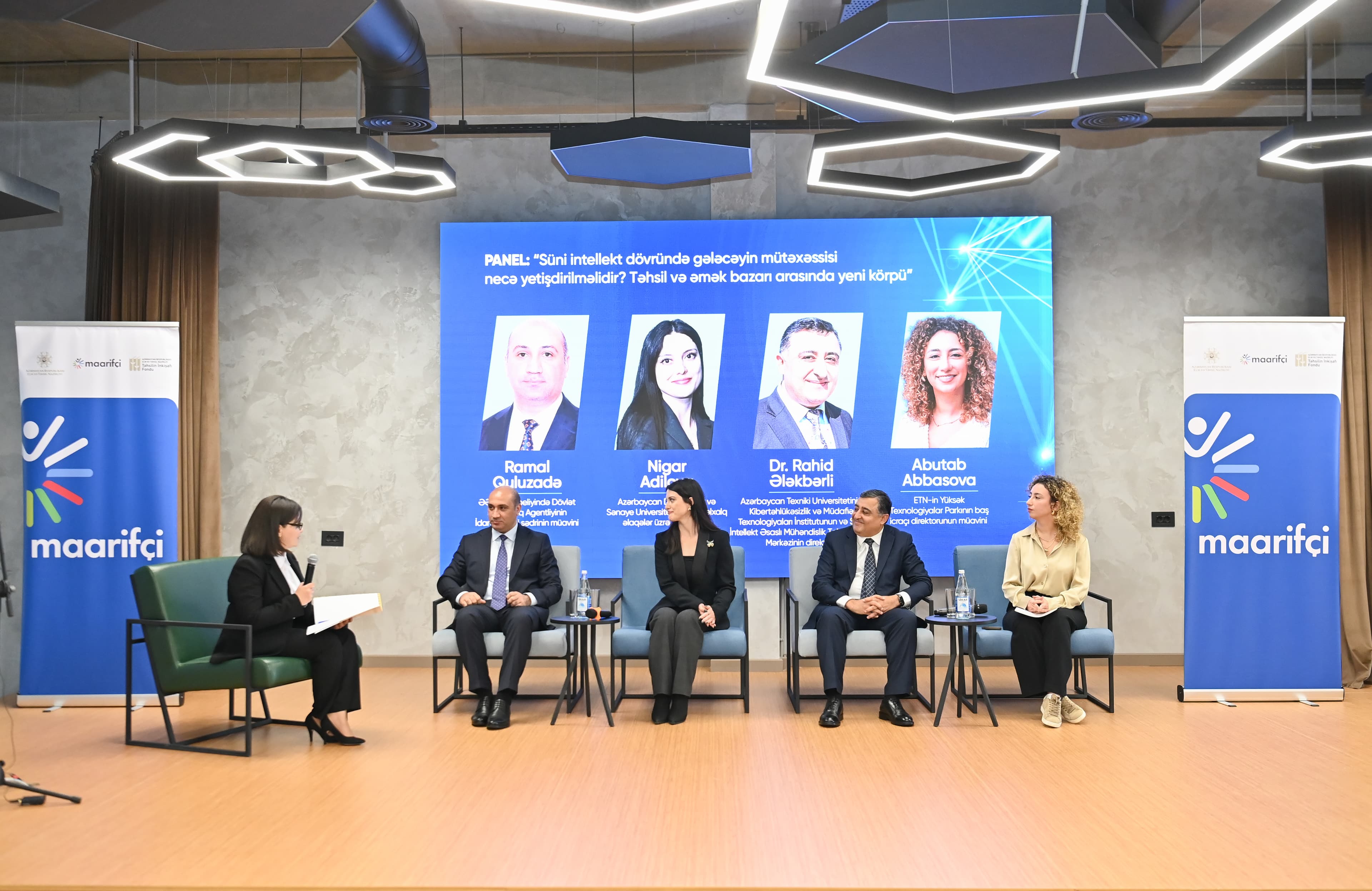
AzTU continues to advance research in cybersecurity, artificial intelligence and defense technologies, contributing to the development of national technological capabilities, the advancement of new research approaches, and the preparation of specialists equipped to address contemporary security challenges.