




AzTU Staff Member Speaks at the 4th “Maarifçi” Student–Alumni Forum
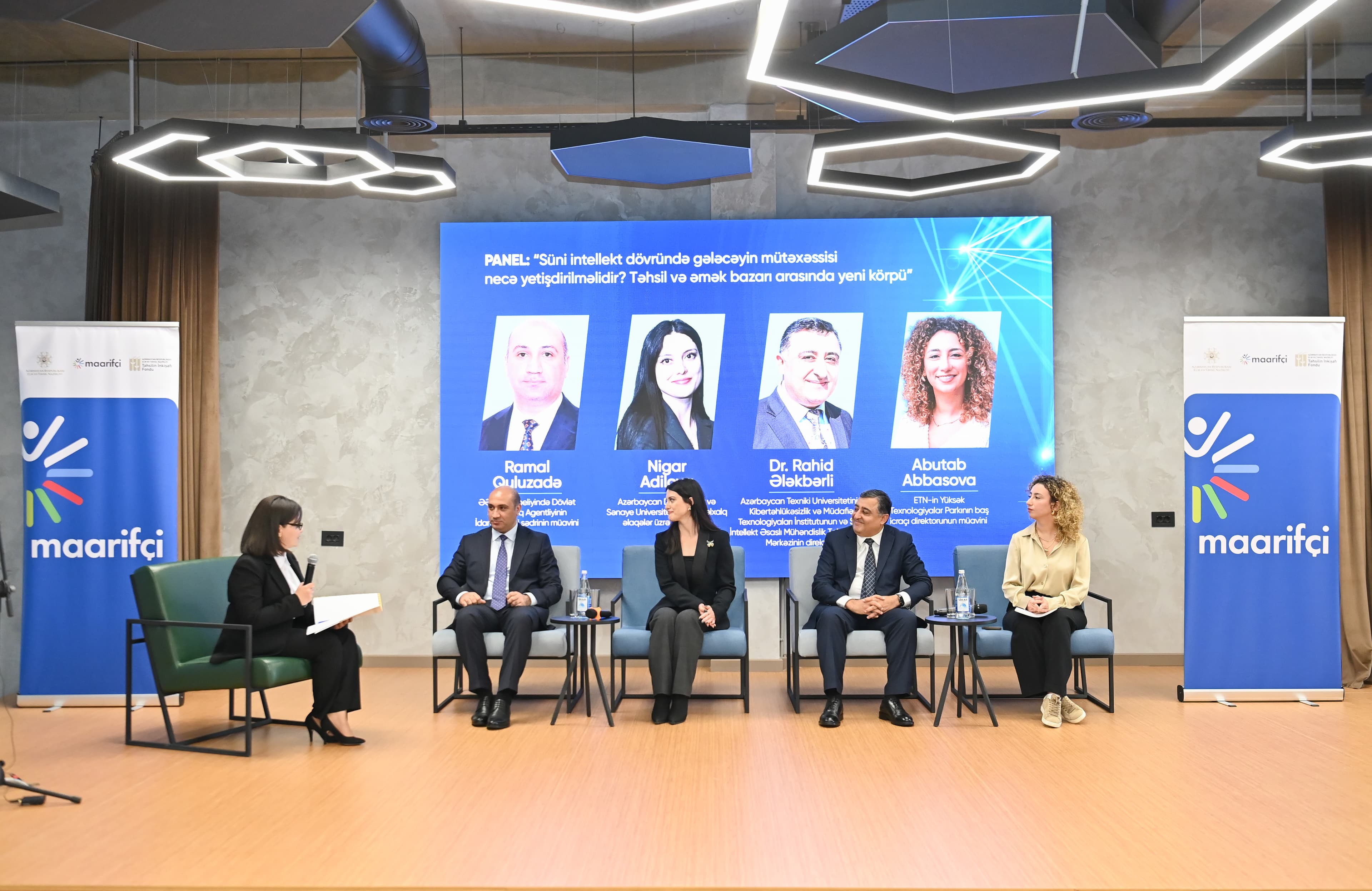
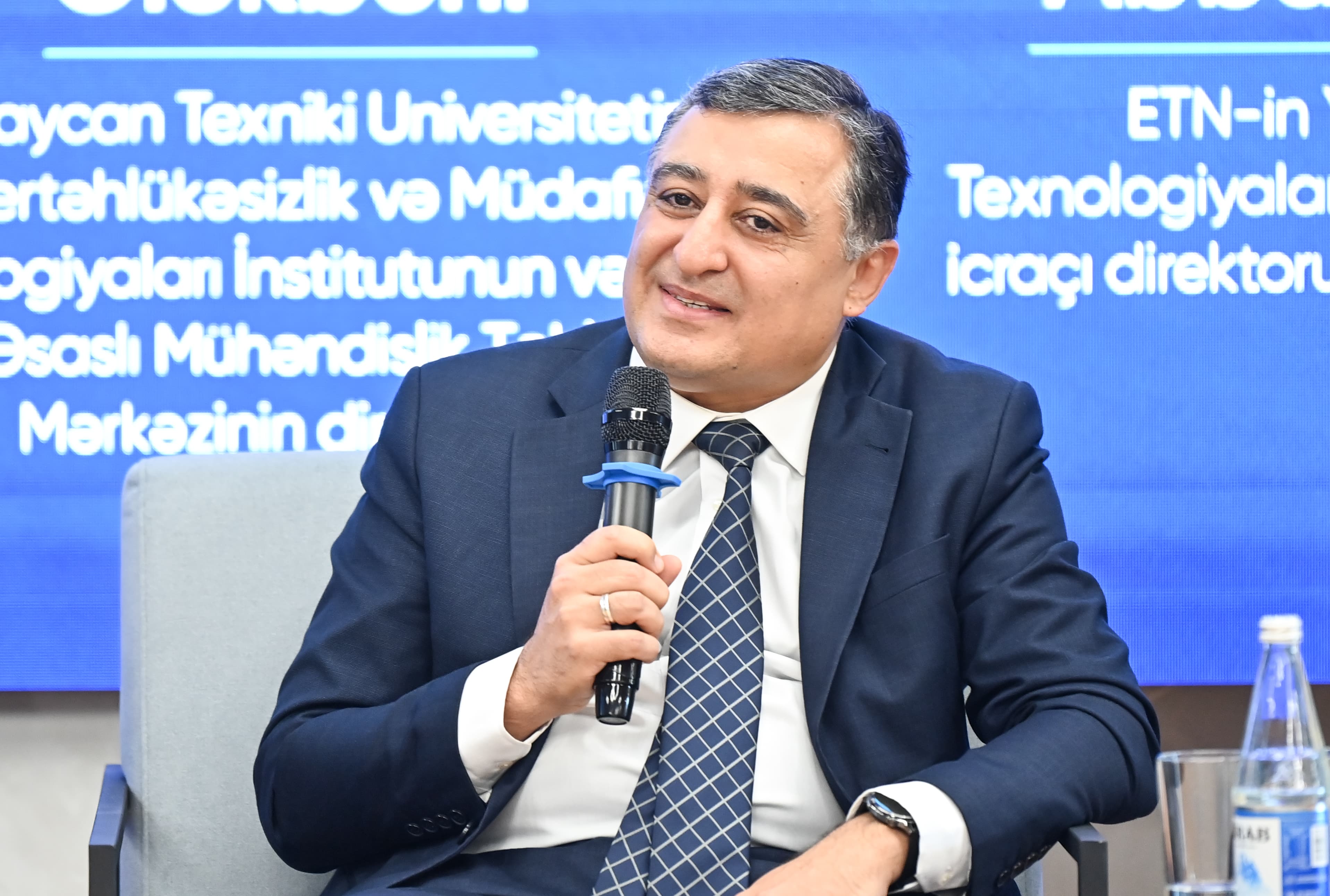
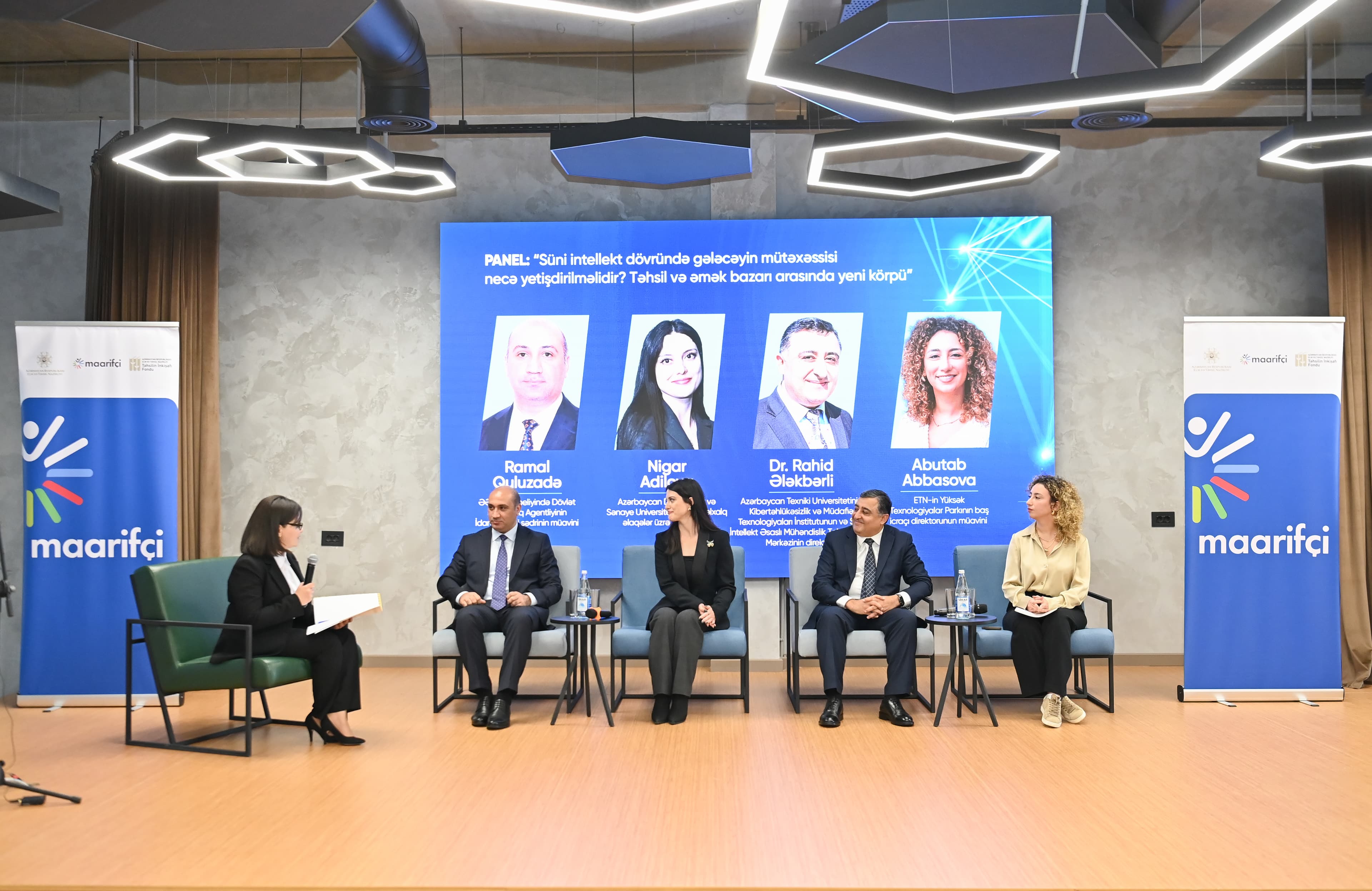
Rahid Alekberli, Director of the Institute of Cybersecurity and Defense Technologies and the AI-Based Engineering Safety Center at Azerbaijan Technical University (AzTU), delivered a speech at the 4th “Maarifçi” Student–Alumni Forum, held at the SABAH.city innovation campus operating within the High Technologies Park of the Ministry of Science and Education.
In his remarks, Alekberli addressed the importance of the responsible use of artificial intelligence (AI), adherence to ethical principles, and ensuring the reliability of AI-generated outputs.
He noted that as AI systems continue to evolve, the knowledge and skills required to work effectively with these technologies are also changing. The effective use of AI tools involves much more than selecting an appropriate platform. It requires users to define problems accurately, formulate well-structured prompts, pay close attention to the quality of the information provided to AI systems, and critically assess the results they generate.
Alekberli pointed out that vague, incomplete or contextually inaccurate prompts can lead AI systems to produce imprecise responses, misleading conclusions and factual errors. In this regard, prompt engineering should be regarded as an essential component of effective human–AI interaction. Clearly defining the purpose, context, constraints and expected outcomes of a prompt can significantly improve the relevance and usefulness of AI-generated responses.
He also emphasised that outputs generated by AI systems should not automatically be regarded as accurate or reliable information. This is particularly important in scientific research, engineering projects, cybersecurity and other fields involving significant responsibility, where information must be cross-checked against primary sources, facts verified, and findings subjected to methodological analysis and independent evaluation. AI-generated responses can support decision-making processes, but they should not replace expert judgement or human accountability.
Addressing the ethical dimensions of AI adoption, Alekberli highlighted the importance of data privacy, the protection of personal and sensitive information, awareness of algorithmic bias, transparency, and accountability for outcomes. He stressed that alongside making use of the opportunities offered by these technologies, it is essential to anticipate potential risks and establish appropriate oversight mechanisms.
Alekberli further underlined the importance of updating and strengthening the professional skills base in response to the demands of the new technological era. He noted that knowledge of artificial intelligence, cybersecurity, information security and cloud security is no longer relevant only to narrowly specialised professions. These areas are increasingly becoming essential competencies for professionals across a wide range of disciplines in the emerging AI era. Integrating such knowledge into diverse academic and professional fields, ensuring continuous professional development, and equipping specialists with skills suited to evolving technological challenges are among the key requirements of the future labour market.
He also called on young people to contribute to ongoing efforts to develop the Azerbaijani National Language Corpus. He emphasised that building extensive, structured and digitally accessible language resources is essential for advancing AI technologies in the Azerbaijani language. These efforts extend beyond technological and academic objectives: they are also of strategic importance for preserving and developing Azerbaijan’s national, spiritual and cultural heritage, strengthening the presence of the Azerbaijani language and national values in an increasingly digital world, and ensuring their transmission to future generations.
This approach is equally important for the application of AI technologies in education and scientific research. Students, researchers and professionals should use AI responsibly not merely to obtain ready-made answers, but also to analyse problems, explore alternative solutions and contribute to the generation of new knowledge.