





AzTU Discusses New Strategic Priorities for Research University Transformation and Scientific Development
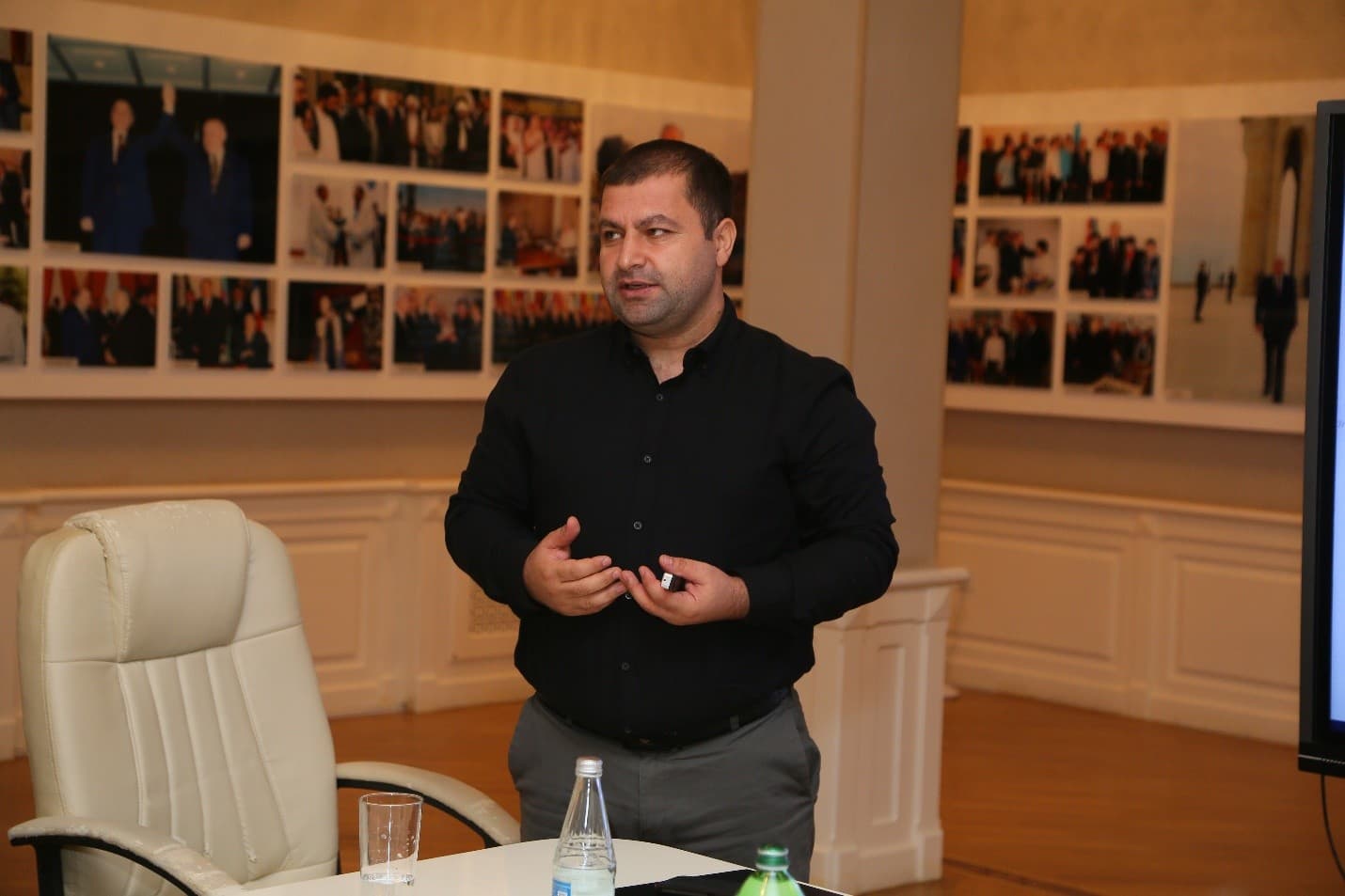
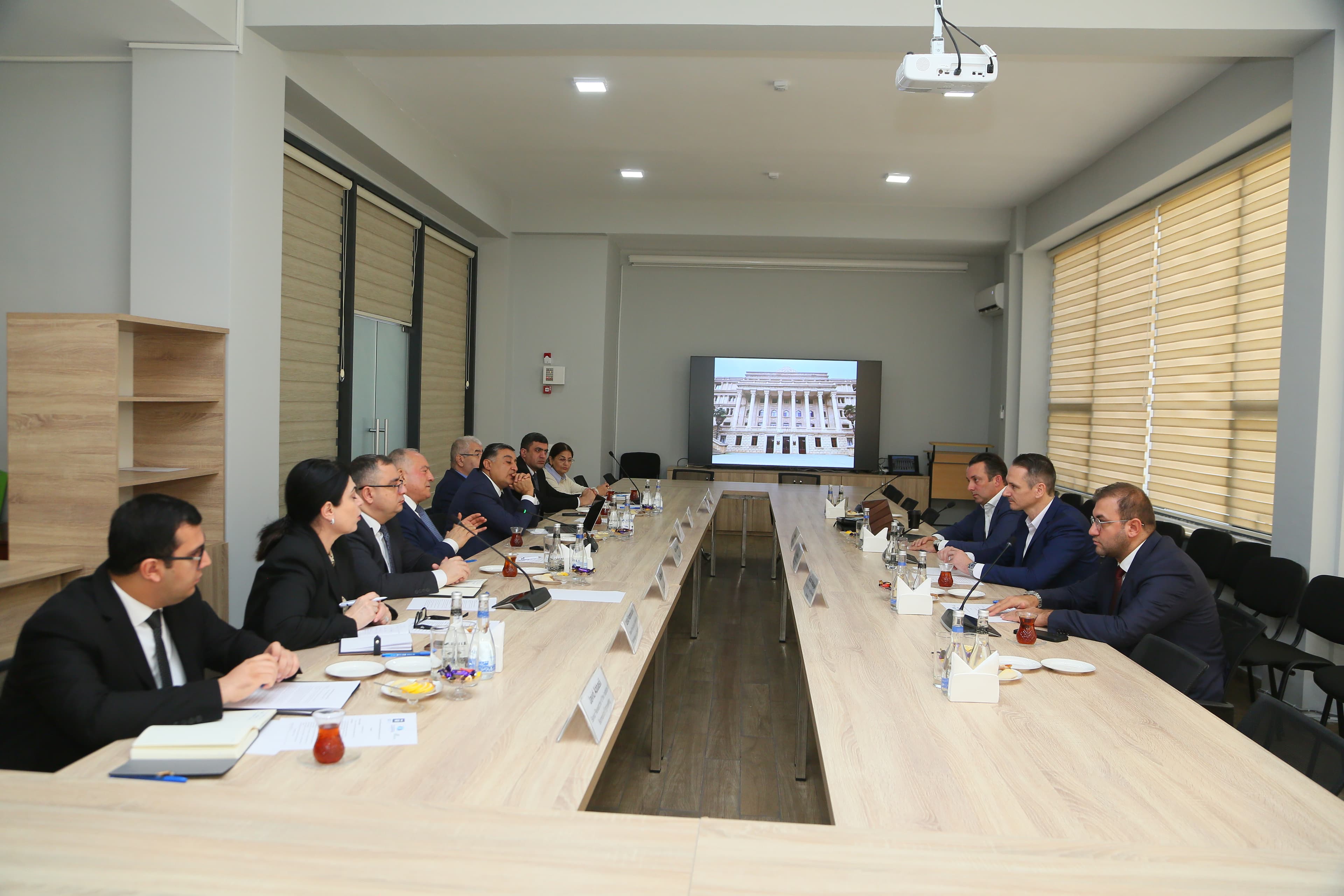
Azerbaijan Technical University (AzTU) has discussed strategic priorities for the next phase of its transformation into a research university. The meeting, chaired by Rector Vilayat Valiyev, focused on the university’s scientific achievements over the current year, strengthening its international academic reputation, and identifying key priorities for further development.
The meeting reviewed initiatives undertaken throughout the year and assessed the results achieved. Positive progress in research performance was acknowledged, with discussions exploring opportunities to sustain this momentum and advance the university’s long-term development.
Key areas of discussion included strengthening research capacity, increasing publications in prestigious international scientific journals, and expanding collaborative projects with international partners. Particular attention was also given to university–industry collaboration, the practical application of research findings, and fostering an innovation-driven research environment.
AzTU’s transformation strategy aims to establish a sustainable research ecosystem grounded in scientific excellence, promote the creation of new knowledge, and enhance the contribution of research to economic and societal development. In this context, emphasis is placed not only on research output but also on its quality, relevance, and real-world impact.
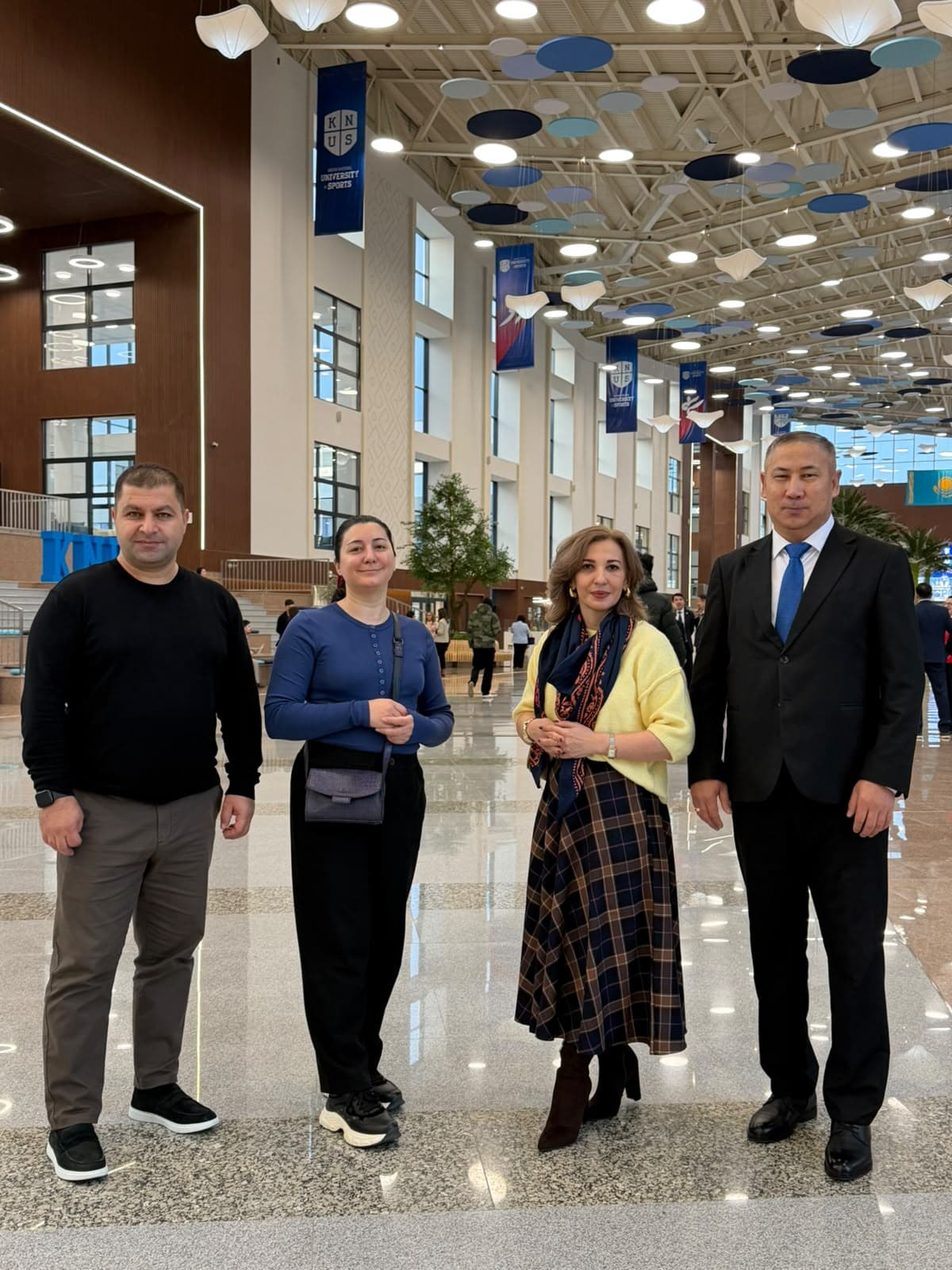
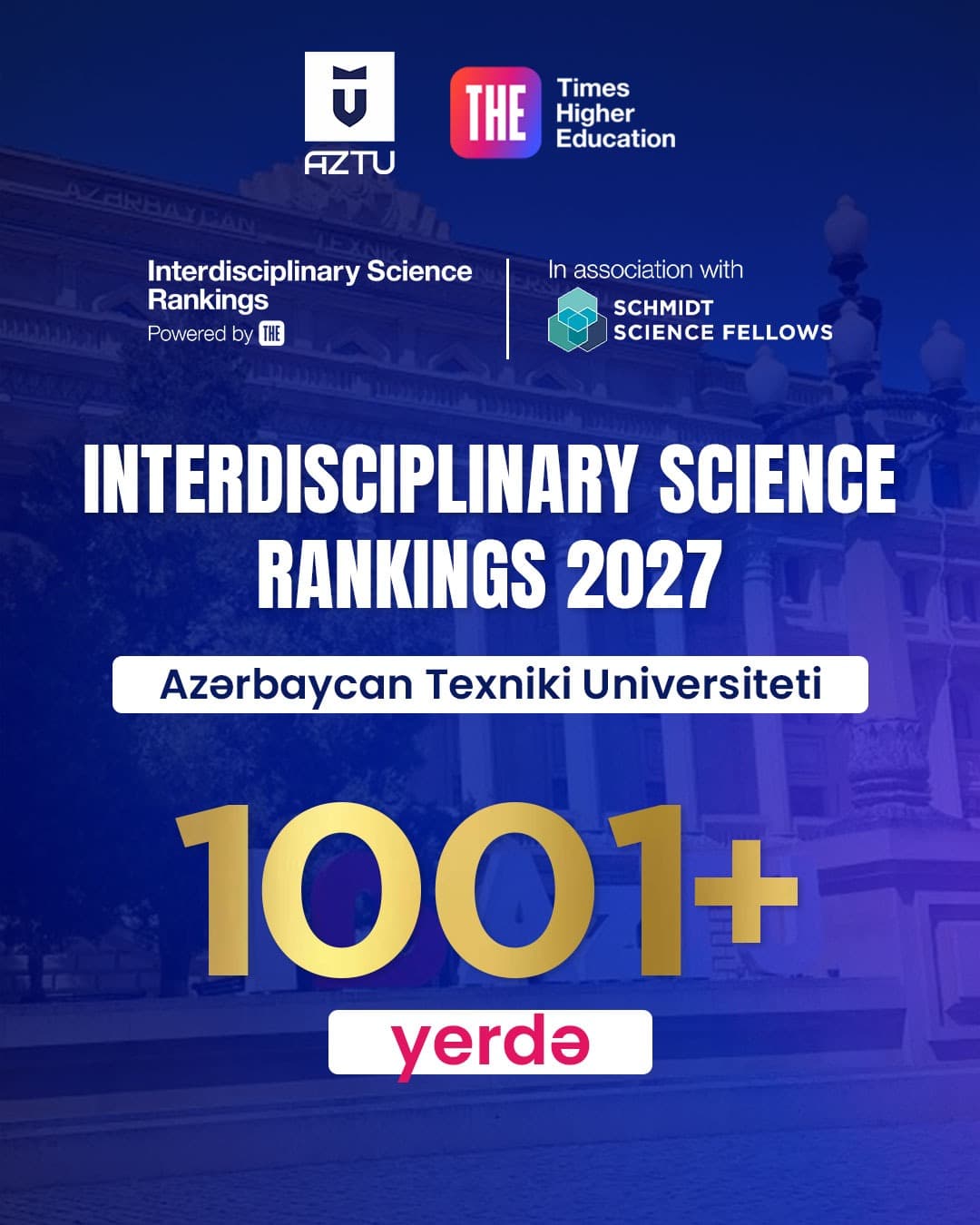
The university’s growing international academic reputation and improved standing in global university rankings were recognized as positive achievements. At the same time, the importance of making more effective use of existing opportunities to expand participation in international research networks and strengthen global competitiveness was highlighted.
Discussions also addressed the need to enhance coordination among university departments, optimize resource management, and evaluate research performance using quality- and impact-based indicators to support the achievement of strategic objectives.
The meeting concluded by emphasizing the importance of coordinated efforts to implement the identified priorities and translate the university’s achievements into broader, more impactful outcomes.